 Tolichowki : +91 81211 00900



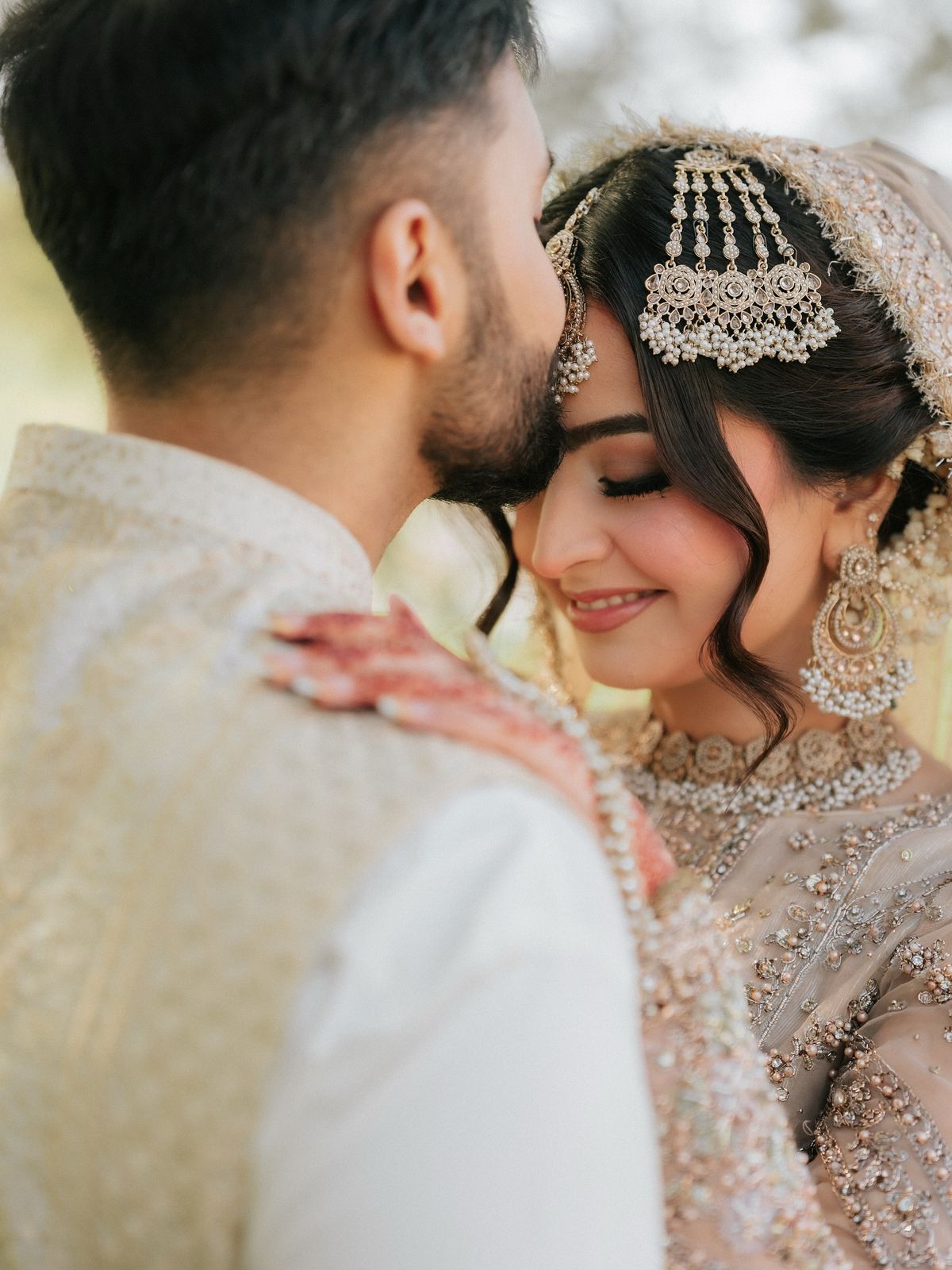
Marriage in Islam is more than a social arrangement between two people. It is a serious commitment built around faith, responsibility, affection, mercy, mutual rights, and family life. The Qur'an describes spouses as a source of tranquillity and explains that Allah places affection and mercy between them. Qur'an 30:21
For families exploring Muslim Matrimony in Bangalore understanding the Islamic perspective on marriage can make the search for a life partner more thoughtful. A suitable match should not be judged only by age, appearance, education, profession, or financial background. Character, religious values, compatibility, maturity, and the ability to fulfil marital responsibilities are also important.
MubarakRishte supports Muslim families and individuals looking for suitable matrimonial proposals with professionalism, confidentiality, and care.
What Is Marriage in Islam ?
In Islam, marriage, commonly known as Nikah is a lawful marital contract that establishes rights and responsibilities between a husband and wife.
It provides a framework for companionship, family life, mutual support, and intimacy within an Islamic marriage. The Qur'an presents marriage as a relationship associated with tranquillity, affection, and mercy. Qur'an 30:21
Marriage is therefore not simply about finding someone to live with. It involves accepting responsibilities and working together to create a stable and respectful family.
Why Is Marriage Important in Islam ?
Marriage has an important place in Islamic teachings. The Qur'an encourages believers to facilitate marriage for those who are suitable and unmarried. Qur'an 24:32
The Prophet Muhammad ? also taught Muslims about marriage, family responsibilities, and the importance of good character.
However, marriage should not be entered into carelessly. Choosing a spouse requires consideration, consultation, honest communication, and awareness of the responsibilities involved.
Important Islamic Marriage Rules
The precise details of Islamic marriage can vary according to Islamic school of jurisprudence and individual circumstances, but several fundamental concepts are widely recognised.
1. Mutual Consent
A marriage should involve the genuine consent of the people entering it. Parents and relatives can provide guidance and introduce proposals, but marriage should not simply be forced upon someone.
Consent is therefore an important part of a healthy Islamic marriage.
2. Mahr
Mahr is a marital gift or financial entitlement given to the bride as part of the marriage.
The Qur'an instructs men to give women their bridal gifts graciously. Qur'an 4:4
The amount and form of mahr should be understood clearly by both parties.
3. Witnesses and the Marriage Contract
A valid Islamic Nikah involves specific requirements that can vary according to the school of jurisprudence followed. Families should therefore consult a qualified Islamic scholar or authorised Nikah official regarding the applicable requirements.
4. Wali
The role and legal requirements concerning a wali (marriage guardian) differ among Islamic schools of jurisprudence. Families should seek qualified religious guidance for their particular circumstances.
5. Legal Registration
Religious requirements and civil legal requirements are not always identical. Muslim couples in India should also understand the applicable marriage-registration and documentation requirements.
How to Choose a Spouse in Islam
Choosing a spouse is one of the most important decisions a person can make.
Look Beyond Appearance
Physical attraction can be relevant, but it should not be the only consideration.
A potential spouse's character, values, temperament, religious commitment, communication style, and family expectations may have a much greater effect on everyday married life.
Consider Character
Ask how the person treats parents, colleagues, relatives, and people from whom they have nothing to gain.
Important qualities include:
· Honesty
· Kindness
· Patience
· Responsibility
· Humility
· Trustworthiness
· Emotional maturity
· Respect for others
The Prophet ? emphasised the importance of good character and religious qualities when considering marriage. Sahih al-Bukhari Book of Marriage
Rights and Responsibilities in Islamic Marriage
Marriage gives both spouses rights and responsibilities.
A husband has financial and family responsibilities according to Islamic principles and circumstances. A wife has rights to appropriate treatment, maintenance where applicable, mahr, dignity, and respect.
Both spouses should strive to:
· Treat each other with kindness
· Protect each other's dignity
· Communicate respectfully
· Maintain trust and faithfulness
· Support one another
· Respect legitimate rights
· Keep private marital matters confidential
· Work together during difficult periods
The Qur'an instructs husbands to live with their wives in kindness. Qur'an 4:19
What Should Couples Discuss Before Marriage?
Many misunderstandings can be avoided when important expectations are discussed before Nikah.
A prospective bride and groom should consider talking about:
Religious Expectations
Discuss prayer, Islamic education, religious practices, modesty, and expectations concerning children's upbringing.
Career and Finances
Discuss employment, savings, spending habits, financial responsibilities, and whether both spouses intend to work.
Living Arrangements
Will the couple live independently, with parents, or in another city or country?
Children and Parenting
Discuss expectations about children, education, parenting styles, and family responsibilities.
Extended Family
Talk openly about how each spouse expects to maintain relationships with parents and relatives.
These conversations are especially useful for professionals, business families, and NRI Muslims considering marriage in Bangalore.
Muslim Matrimony in Bangalore: Finding a Suitable Match
Bangalore is home to a diverse Muslim population, including professionals, entrepreneurs, students, doctors, engineers, business families, and NRI-connected households.
For families exploring Muslim Matrimony in Bangalore, finding a suitable proposal can involve several factors: community preferences, education, profession, location, family background, religious values, and future plans.
A professional matrimonial service can help families approach the search in a more organised and confidential manner.
MubarakRishte is here to help Muslim families find compatible life partners with professionalism, confidentiality, and care. The focus is on understanding individual and family requirements while supporting a respectful matchmaking process.
MübarakRishte Rishta Aapka... Koshish Hamari.
Practical Checklist Before Accepting a Proposal
Before moving forward, ask:
· Do our religious values align?
· Do we respect each other's personalities?
· Have we discussed financial expectations?
· Are our career plans compatible?
· Where will we live after marriage?
· What are our expectations about children?
· How will household responsibilities be handled?
· How involved will extended families be?
· Can we communicate respectfully during disagreements?
· Have we taken enough time to make a thoughtful decision?
A successful marriage does not require two people to agree on everything. It requires two people who are willing to communicate, respect differences, fulfil responsibilities, and work toward shared goals.
Frequently Asked Questions
What is marriage called in Islam?
The Islamic marriage contract is generally called Nikah. It establishes a lawful marital relationship along with rights and responsibilities.
What is the purpose of marriage in Islam?
Marriage provides companionship and a lawful family relationship and is associated in the Qur'an with tranquillity, affection, and mercy between spouses. Qur'an 30:21
Can parents force a Muslim to marry?
Parents can advise and assist their children in finding suitable proposals, but the genuine consent of the individuals entering marriage is an important principle.
What should Muslims look for when choosing a spouse?
Muslims should consider religious values, character, compatibility, emotional maturity, responsibility, family expectations, and long-term goals rather than focusing only on appearance or wealth.
Is Mahr compulsory in Islamic marriage?
Mahr is an important right of the bride in Islamic marriage. The Qur'an explicitly refers to giving women their bridal gifts. Qur'an 4:4
How can I find Muslim matrimonial proposals in Bangalore?
Families can consider trusted community introductions and professional matrimonial services. When choosing a Muslim matrimonial service in Bangalore, review its approach to privacy, communication, matchmaking, and family requirements.
Conclusion
Marriage in Islam is founded on responsibility, faith, companionship, mercy, and mutual respect. Choosing a spouse should therefore involve thoughtful consideration of character, religious values, compatibility, family expectations, and the practical responsibilities of married life.
For Muslim families searching for Muslim Matrimony in Bangalore, the goal should not simply be to find a proposal quickly. It should be to identify a suitable person with whom a respectful and stable family life can be built.
MubarakRishte supports Muslim brides, grooms, parents, professionals, business families, and NRI Muslims with a professional and confidential approach to matchmaking.
MubarakRishte Rishta Aapka... Koshish Hamari.
Suggested Internal Links
When publishing this article, consider adding internal links using descriptive anchor text:
· Muslim Matrimony in Bangalore
· Muslim Marriage Bureau in Bangalore
· Muslim Bride and Groom Matches
· NRI Muslim Matrimonial Services
· Contact MubarakRishte
Suggested Authoritative External Sources
· Qur'an 30:21 Marriage, affection and mercy
· Qur'an 24:32 Encouragement toward marriage
· Qur'an 4:4 Mahr and bridal gifts
· Qur'an 4:19 Kind treatment in marriage
· Sahih al-Bukhari Book of Marriage
Editorial note: Details of Islamic marriage law can differ among schools of jurisprudence and according to individual circumstances. Readers should consult a qualified Islamic scholar for specific religious questions and an appropriate legal professional for questions concerning Indian civil law and registration.