 Tolichowki : +91 81211 00900



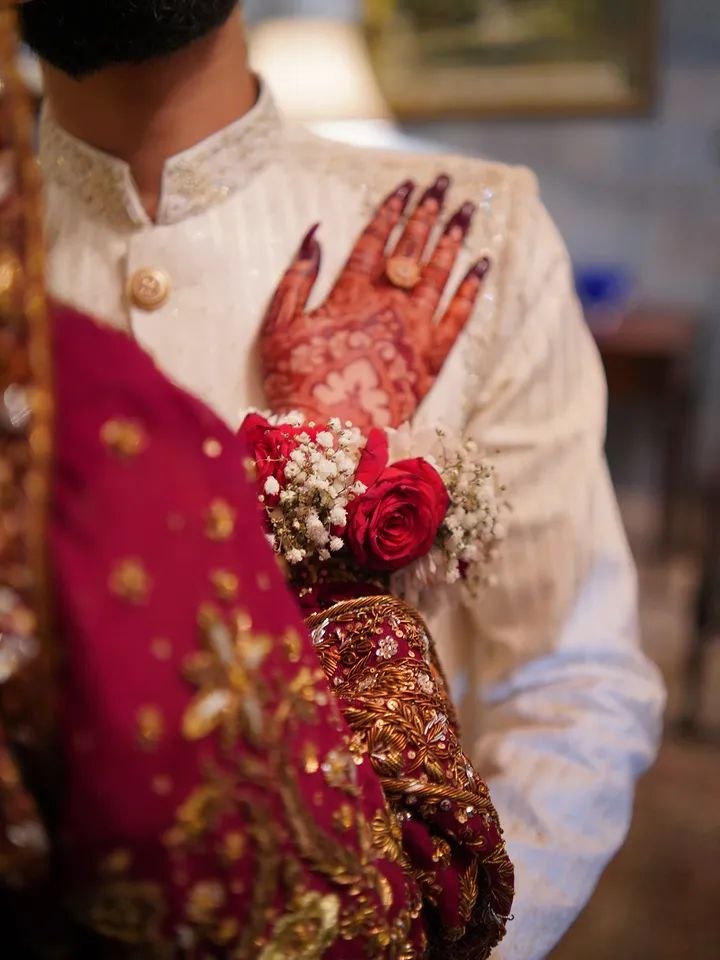
Second marriage in Islam can refer to remarriage after divorce or widowhood, or, in some circumstances, a married Muslim man entering another marriage. In either situation, the decision involves religious responsibilities, legal documentation, emotional readiness, family discussions, and honest communication.
For families searching for a Muslim Marriage Bureau in Mehdipatnam, the process should be handled with dignity and confidentiality. A suitable matrimonial service can help divorced individuals, widows, widowers, and families with children meet compatible Muslim brides and grooms while respecting Islamic and cultural values.
Is Second Marriage Allowed in Islam?
Yes, remarriage is permitted in Islam when the previous marriage has ended validly through divorce, khula, mubarat, or the death of a spouse. The new marriage is a fresh nikah and requires mutual consent, mahr, witnesses, and the other conditions applicable to a valid Muslim marriage.
The meaning of second marriage should be understood carefully:
· A divorced Muslim woman or widow may remarry after completing the applicable iddat period.
· A divorced Muslim man or widower may remarry after the previous marriage has ended, subject to Islamic and Indian legal requirements.
· A married Muslim man considering another marriage must understand the serious obligations of justice, financial support, honesty, and responsible treatment of all parties.
· A woman cannot enter a new marriage while her previous marriage is still legally or religiously continuing.
The exact position may vary according to personal circumstances, sect, interpretation, and the documents available. Families should consult a qualified local mufti or Islamic scholar and, where necessary, a family-law professional before fixing a nikah.
What Is Iddat?
Iddat is the prescribed waiting period a Muslim woman observes after divorce or the death of her husband before entering another marriage. It protects lineage, allows time for emotional and family matters to settle, and is an important Islamic requirement.
In general terms, the waiting period differs according to the circumstances:
· After divorce, it is commonly described as three menstrual cycles or three months where applicable.
· After the death of a husband, it is generally four months and ten days.
· If the woman is pregnant, the applicable period continues until delivery.
A woman should not be pressured to search for or finalise a new marriage during iddat. A matrimonial bureau can begin a conversation about preferences and documentation at an appropriate time, but the nikah must not take place until the relevant religious and legal requirements have been satisfied. Iddat rules can involve details relating to pregnancy, consummation, khula, talaq, and different schools of Islamic law, so individual guidance is essential.nyaaya
How Families Can Find a Suitable Match
Finding a second-marriage match is not simply about selecting a profile. It is about understanding whether two people can build a stable household with maturity, trust, and realistic expectations.
Families in Mehdipatnam, Tolichowki, Humayun Nagar, Nanal Nagar, and surrounding parts of Hyderabad may begin with the following steps:
1. Clarify the persons present situation
Before approaching a bureau, prepare accurate details about:
· Whether the person is divorced, separated, widowed, or still legally married.
· Whether the divorce or khula is complete.
· Whether iddat has ended, where applicable.
· Children, custody arrangements, and financial responsibilities.
· Education, profession, health, lifestyle, and religious expectations.
· Preferred age range, location, language, and family background.
A clear profile helps a Muslim matchmaking service recommend more relevant alliances and prevents misunderstandings later.
2. Be honest about the past
A previous marriage should not be treated as a reason for shame. At the same time, it should never be concealed from a prospective spouse. A suitable match deserves to know about divorce or widowhood, children, previous responsibilities, and any continuing legal or family matters.
Honesty should be shared respectfully and at the right stage. Personal details should not be publicly circulated without consent. The best Muslim matrimonial services maintain a balance between transparency and privacy.
3. Discuss children early
Children are often the most important part of a remarriage decision. The prospective couple should discuss:
· Where the children will live.
· Education and daily care.
· Financial support.
· The role of a step-parent.
· Contact with the biological parent.
· Boundaries, discipline, and extended-family involvement.
Parents should avoid presenting a new spouse as an immediate replacement for a childs biological parent. Patience, gradual introductions, and age-appropriate communication can help families adjust.
4. Meet with family involvement
Islam encourages responsible decision-making and consultation. A first meeting may involve parents or trusted guardians, followed by a private and respectful conversation between the prospective bride and groom within appropriate boundaries.
Families in Mehdipatnam looking for a Nikah Bureau in Mehdipatnam may prefer a service that coordinates introductions instead of sharing phone numbers or photographs indiscriminately. MubarakRishte states that profiles are created digitally, shared for approval, and that contact details are shared only after mutual agreement to proceed with a meeting.
Questions to Ask Before Remarriage
A second marriage requires practical conversations that may be overlooked during an emotional first meeting. Brides, grooms, and parents can ask:
· What are your expectations from married life?
· Why did the previous marriage end, and what have you learned from it?
· Are there ongoing court cases, maintenance matters, or custody arrangements?
· Do you have children, and what responsibilities will continue?
· Where will the couple live after nikah?
· What are your expectations regarding work, hijab, household duties, and family support?
· How will disagreements be handled?
· Are there health, financial, or debt-related matters that should be disclosed?
· Is the person prepared emotionally, or is the marriage being considered only because of family pressure?
· What are the expectations regarding mahr, wedding expenses, and living arrangements?
These questions are relevant whether the family is searching for Muslim matrimony in Mehdipatnam, a match in Charminar, or a prospective alliance elsewhere in Hyderabad.
Choosing a Muslim Marriage Bureau
The right bureau should provide more than a list of names. Before registering, families should consider the following factors.
Confidentiality
Ask how the bureau stores photographs, biodata, phone numbers, and identity documents. A responsible service should obtain consent before sharing personal information and should explain who can view a profile.
Profile quality
A useful profile should contain verified or carefully collected information about education, occupation, family background, marital status, location, and expectations. Families should still independently verify important claims before marriage.
Personalised matchmaking
A good relationship manager should understand the difference between a first-marriage profile, a remarriage profile, an NRI Muslim matrimony profile and a profile involving children. Personalised recommendations are generally more useful than mass profile sharing.
Clear fees and process
Registration fees, validity, follow-up frequency, and any post-alliance charges should be explained in writing. Families should know whether they can review and approve profiles before their details are shared.
Local and wider reach
Some families prefer a match close to Mehdipatnam or the Old City while others are open to Banjara Hills Jubilee Hills Secunderabad Telangana, or overseas alliances. A bureau should record the preferred search area without treating locality as the only measure of compatibility.
Respectful communication
Remarriage can involve grief, disappointment, children, and social pressure. Staff should communicate without judgement and should not make unrealistic promises about finding an immediate alliance.
How MubarakRishte Can Help
MubarakRishte provides Muslim matrimonial services for Hyderabad families and Hyderabadis worldwide. Its process includes collecting preferences, creating a digital profile for review, sharing suitable profiles through a relationship manager, recording acceptance or decline, and coordinating a meeting after mutual interest. The service also describes confidentiality as a core part of its matchmaking process.
For families searching for a Muslim Marriage Bureau in Mehdipatnam MubarakRishte can be considered for local and wider searches, including suitable Muslim bride and groom profiles from areas such as Charminar and the Old City of Hyderabad. Families may also discuss whether they are open to matches connected with Banjara Hills, Jubilee Hills, or NRI Muslim matrimony.
To enquire, call or WhatsApp MubarakRishte at +91 81210 10900 Families can also learn more through the
Frequently Asked Questions
Can a divorced Muslim woman remarry ?
Yes, a divorced Muslim woman may remarry after the previous marriage has ended validly and the applicable iddat period has been completed. Her consent is essential, and the new nikah requires the applicable Islamic conditions.
Can a widow remarry in Islam ?
Yes. Widowhood does not prevent a woman or man from marrying again. A widow must observe the prescribed iddat period before a new nikah.
Does a second marriage require family approval ?
The legal and religious requirements should be carefully checked, but family consultation is highly advisable. The bride and groom must freely consent and should not be forced into a decision.
Can a person with children find a suitable remarriage match ?
Yes. Many families are open to remarriage profiles involving children. The important point is to disclose children and discuss custody, residence, care, and financial responsibilities before engagement.
Where can I find a Muslim marriage bureau near Mehdipatnam ?
Families can contact a local service such as MubarakRishte and explain their preferred area, age range, sect, language, education, profession, and remarriage requirements. The search may include Mehdipatnam Charminar the Old City and other Hyderabad localities when relevant.
Is second marriage the same as remarriage after divorce?
Not always. Remarriage usually means marrying again after divorce or widowhood. Second marriage may also refer to another marriage while a first marriage continues. These situations have different religious, ethical, and legal considerations and should not be treated as identical.
Second marriage in Islam should begin with correct documentation, sincere intention, mutual consent, and realistic discussion. With careful family involvement and a confidential Muslim Marriage Bureau in Mehdipatnam brides, grooms, and parents can approach the search with greater clarity, respect, and hope.
MubarakRishte is here to help you find a compatible life partner with professionalism, confidentiality, and care
? Call / WhatsApp: https://wa.me/+918121100900
INSTAGARAM https://www.instagram.com/mubarakrishte2009?igsh=MWRsbGlibzNqYXRxMA%3D%3
D
FACEBOOK : https://www.facebook.com/share/1GKnTxRdtn/
YOUTUBE : https://www.youtube.com/@MubarakRishteOfficial
SNAPCHAT : https://www.snapchat.com/add/mubarakrishte1?share_id=ReUEcmhEBjI&locale=en-US
OFFICE : https://share.google/IfZuNlY02c4bSyTTH
HE MOST TRUSTED MATRIMONIAL